UN Condemns Israel's Gaza Campaign as Ethnic Cleansing Amid Rising Civilian Deaths
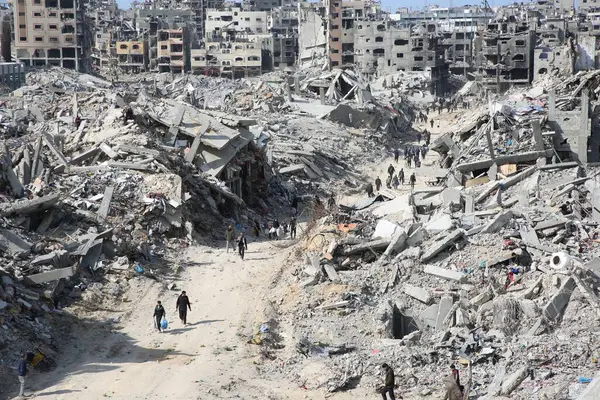
The humanitarian crisis in Gaza has worsened drastically as Israeli airstrikes claimed the lives of 100 Palestinians in a single day. The United Nations has strongly criticized these actions, with UN High Commissioner for Human Rights Volker Turk suggesting that Israel's military strategy in Gaza appears to amount to ethnic cleansing due to its scale and denial of aid.
Turk pointed out that the relentless bombing and refusal to allow humanitarian assistance underline a pattern suggesting a deliberate attempt to alter Gaza’s demographic structure. Such actions, he warned, violate international law and could have far-reaching consequences not only for Gaza but for regional stability. Turk’s comments were published by AFP on May 17, 2025.
The two-month ceasefire between Israel and Hamas collapsed earlier in March after Israel re-imposed a full blockade on Gaza. This move severely worsened shortages of food, water, medicine, and fuel. Civilians across Gaza now face extreme hardships, and many aid agencies have warned of an impending famine if supplies do not resume immediately.
According to Israeli sources, the military has intensified its operations in Gaza in recent weeks. Turk expressed alarm that these intensified actions may signal an impending broader and deadlier assault. He appealed to nations with influence, especially third-party powers, to step in and help bring an end to the hostilities before the situation escalates further.
Emergency services in Gaza reported that Israeli attacks on May 16 left at least 100 people dead. These attacks coincided with demands from Hamas for the U.S. to pressure Israel into lifting the blockade. Human rights groups say that civilians, not combatants, are paying the highest price in this prolonged conflict.
In early March, Israel resumed the complete blockade of Gaza, a region already grappling with a dire lack of essential supplies. President Donald Trump acknowledged the worsening crisis and the growing starvation among Palestinians. Trump hinted that the United States might need to play a more proactive role in addressing the crisis.
Israel defended the blockade as a tactic to coerce Hamas into negotiating the release of hostages taken during the October 7, 2023, assault. However, critics argue that such strategies inflict undue suffering on innocent civilians while achieving limited strategic benefit. Many view it as collective punishment rather than targeted military pressure.
One key development was the release of Edan Alexander, the last known American hostage, by Hamas on May 12. The release was reportedly part of an understanding between Hamas and the U.S. Following Alexander’s release, Hamas spokesman Taher al-Nunu called on the U.S. to push Israel to open border crossings and allow aid to flow.
As death tolls rise and desperation deepens, international voices grow louder in their demand for a ceasefire and immediate humanitarian access. Observers stress that without urgent intervention, the situation in Gaza could spiral into an irreversible catastrophe. The world now watches closely to see if diplomatic efforts can prevent further tragedy.
What's Your Reaction?