An Election Under Fire: Myanmar’s Junta Pushes Ahead Despite War and Opposition
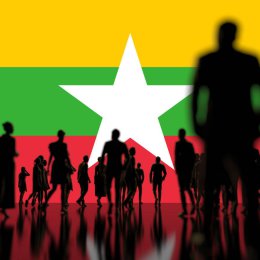
Myanmar is moving forward with a national election that many critics describe as a carefully managed exercise lacking legitimacy, transparency, and genuine public participation.
The vote comes almost five years after the military overthrew the elected government, an event that triggered mass protests and escalated into a prolonged and violent civil war.
Ongoing fighting has left vast areas of the country outside government control, meaning millions of citizens are unlikely to vote or have access to polling stations.
Military forces have battled both anti-coup resistance groups and long-standing ethnic armed organisations, losing territory before regaining ground through heavy airstrikes backed by foreign allies.
The conflict has devastated Myanmar’s economy, displaced millions of people, and created a severe humanitarian crisis worsened by earthquakes and shrinking international aid.
Political repression has intensified, with over 200 people prosecuted under a new election law that carries extreme penalties, including long prison sentences and even capital punishment.
Several well-known artists and entertainers have been jailed for publicly criticising election-related propaganda, highlighting the shrinking space for dissent and free expression.
Authorities plan to hold voting in three phases across selected townships, while dozens of political parties, including Aung San Suu Kyi’s former ruling party, remain banned.
Despite rejection by Western governments and skepticism from regional partners, the junta insists the election represents progress toward democracy and national stability.
What's Your Reaction?