Siege and Starvation: The Devastating Consequences of Gaza’s Isolation
Journalists in Gaza continue their work amidst great peril, providing invaluable coverage of the ongoing crisis. Tragically, more than 200 Palestinian journalists have lost their lives while documenting the horrors of war. The absence of international media has made these courageous local reporters the primary source of information on Gaza’s suffering.
The situation in Gaza has reached catastrophic levels, according to the International Committee of the Red Cross. With civilians enduring constant violence and displacement, the daily struggle for survival intensifies. Basic human needs are left unmet, and the population is denied essential aid while the conflict deepens.
Israel’s decision to end the ceasefire on March 18 initiated a new wave of airstrikes, shattering hopes of a peaceful resolution. Since then, Israel has imposed a complete blockade, cutting off all aid, including food and medical supplies. This has exacerbated the humanitarian crisis, leaving Gaza’s population on the edge of starvation.
Prime Minister Netanyahu, along with his far-right coalition partners, rejected the terms of the ceasefire, opting instead for a more aggressive military campaign. Their objective seems to be the displacement of Gaza’s Palestinian population, a move supported by extremists within the Israeli government, who demand more territorial control.
Plans for an intensified offensive have already been announced. Netanyahu’s government aims to force more civilians to flee, further destabilizing Gaza’s already fragile situation. Hundreds of thousands of displaced people are now trapped in a cycle of repeated displacement, with nowhere safe to go as the airstrikes continue.
The United Nations warns that Gaza’s population has been forced into an increasingly smaller space, with 70% of the region now off-limits due to the ongoing conflict. The southern part of Gaza, particularly near Rafah, remains the only option for shelter, despite being almost completely destroyed by Israeli bombardments.
Israel insists that Hamas is controlling the flow of aid, but humanitarian organizations and UN agencies reject this narrative. These groups argue that food and supplies should be distributed impartially and not subjected to political manipulation or military control, which they view as a violation of international humanitarian law.
Philippe Lazzarini, commissioner-general of UNRWA, recently expressed his profound distress over the situation in Gaza. With the population facing starvation and no aid entering, he described this as the "weaponization of humanitarian aid." According to Lazzarini, this deliberate denial of resources constitutes a war crime under international law.
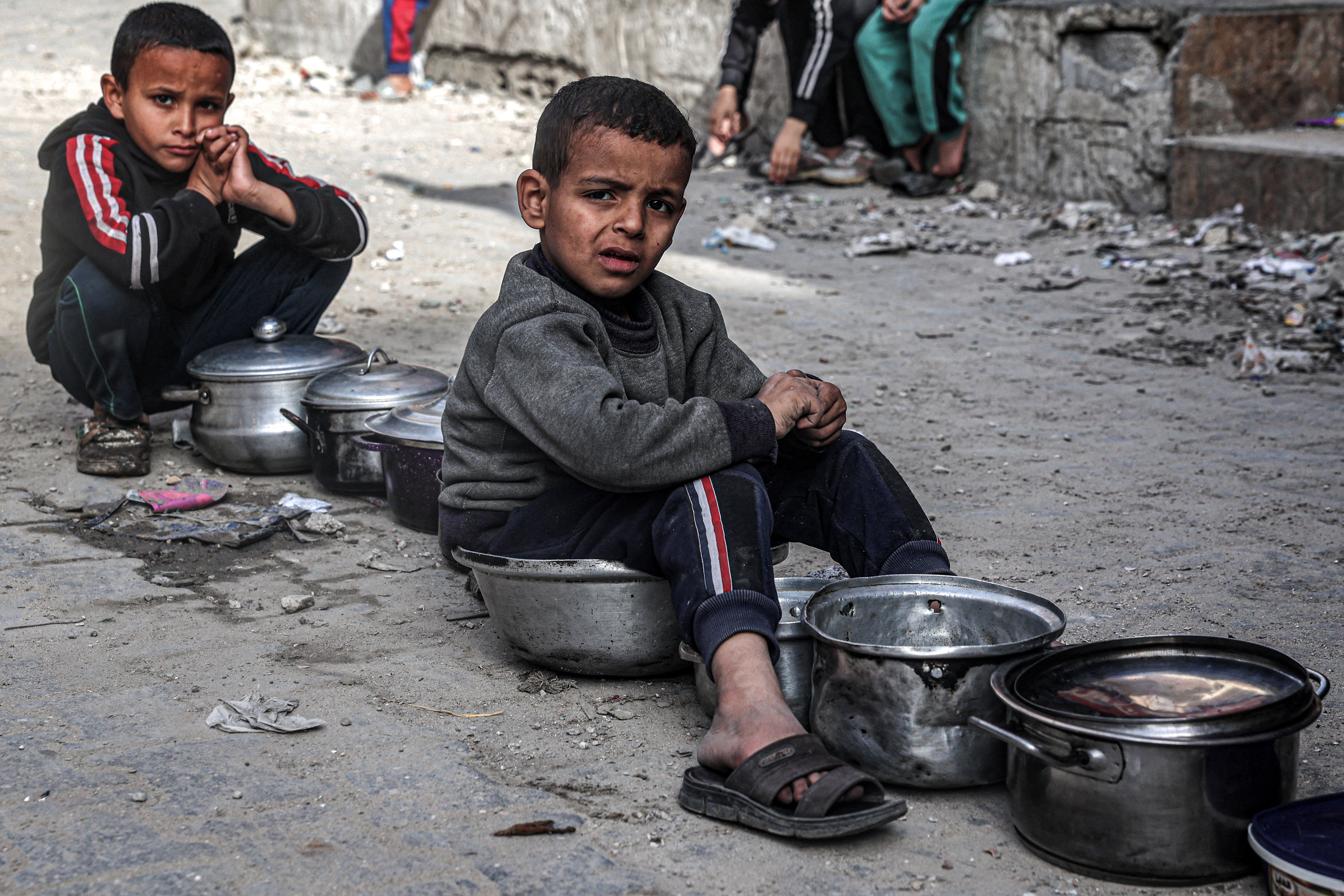
According to the latest report from the Integrated Food Security Phase Classification (IPC), Gaza is teetering on the brink of famine. Over two million people, half of whom are children, are living in extreme food insecurity. The IPC defines this as a condition where widespread starvation is imminent, especially for vulnerable populations.
Despite food and medical aid sitting just miles away in Egypt, Gaza’s access remains blocked. The IPC has classified over 470,000 Gazans as being in "Phase 5 – catastrophe," meaning they are facing extreme malnutrition, and thousands of children and mothers require immediate treatment.
Lazzarini also emphasized the international community’s failure to address this crisis. The deliberate denial of aid, particularly by Israel, could amount to genocide, he warned. The scale of destruction and loss of life in Gaza has been described as one of the most severe humanitarian tragedies in modern history.
Israel’s defense minister has openly acknowledged that the blockade is being used as a strategic tool to pressure Hamas. Humanitarian aid, according to this logic, will not be allowed back into Gaza until hostages are released. This policy has sparked outrage among many, including Israeli families with loved ones held hostage by Hamas.
What's Your Reaction?