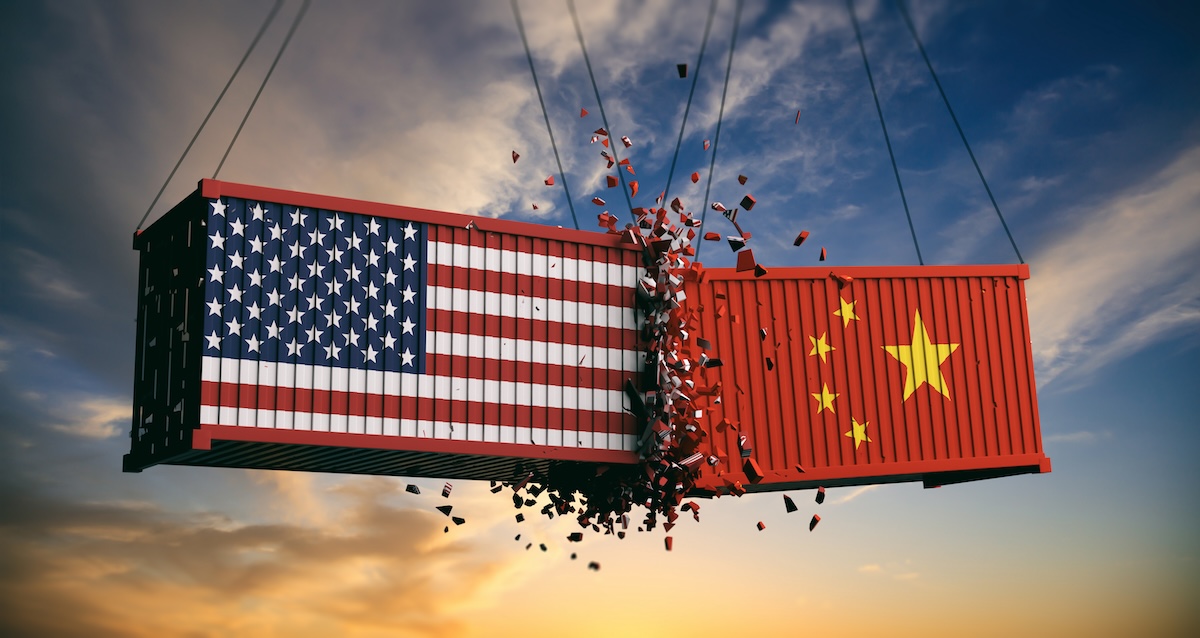
Trump Escalates Global Tariff Plan After Supreme Court Blocks Previous Import Taxes

President Donald Trump announced plans to impose a 15% global tariff on imports, intensifying his trade agenda after the Supreme Court struck down his earlier sweeping import taxes. The president framed the move as a necessary correction following what he described as an unjust judicial setback to his economic strategy.
Initially, Trump had proposed replacing the invalidated tariffs with a 10% levy on all goods entering the United States. However, in a subsequent post on Truth Social, he declared that the rate would be raised to the maximum permitted under a rarely used trade provision.
The administration is relying on Section 122 of the Trade Act of 1974 to implement the temporary 15% tariff. This authority allows the executive branch to impose such measures for roughly five months before requiring approval from Congress to extend them further.
Uncertainty surrounds the exact timing of the increased tariff, which was originally scheduled to begin on 24 February at the 10% level. The White House has yet to clarify whether the higher 15% rate will take effect on that same date or follow a revised schedule.
The controversy stems from a 6–3 Supreme Court ruling that found Trump exceeded his authority when he previously enacted broad tariffs under the International Emergency Economic Powers Act. The court determined that the 1977 statute did not grant him the sweeping trade powers he had asserted.
Despite the ruling, the United States has already collected at least $130 billion in tariffs under the contested authority. Trump sharply criticized the decision, accusing several justices of undermining American interests and calling the judgment deeply flawed and harmful to national economic goals.
The new tariff framework complicates relations with trading partners such as the United Kingdom and Australia, which had negotiated lower 10% rates. Although certain sectors including steel, aluminum, pharmaceuticals, and aerospace remain governed by separate agreements, broader trade terms now appear less predictable.
Business leaders in the United States expressed mixed reactions to the court’s intervention. Some manufacturers argued that tariffs protected domestic jobs and offered workers a path to middle-class stability, while agricultural representatives welcomed the ruling as a victory against policies they viewed as economically damaging.
International leaders also voiced concern about the renewed escalation in tariff policy. Officials in Europe warned that persistent uncertainty surrounding trade measures could weaken economic growth, disrupt investment planning, and create instability for companies operating across global supply chains.
Support Independent Journalism
We are committed to delivering accurate, balanced, and reliable news without external influence. Your support allows us to remain independent and continue producing high-quality reporting.
If you value our work, please consider making a donation:
Donate via PayPal: paypal
Every contribution, no matter the size, makes a meaningful difference.
What's Your Reaction?










:max_bytes(150000):strip_icc():focal(791x399:793x401)/elon-musk-interns-020325-c5d3c8c890cd472fb043c95552257117.jpg)