China Confronts Mounting Pressures: Economy, Climate Threats, and Global Tensions in Focus
China is currently navigating a period of increasing strain as multiple crises unfold simultaneously, affecting its economy, environment, and international relationships. Recent reports from global media outlets highlight a combination of structural weaknesses and emerging risks that are raising fresh concerns among policymakers and investors worldwide.
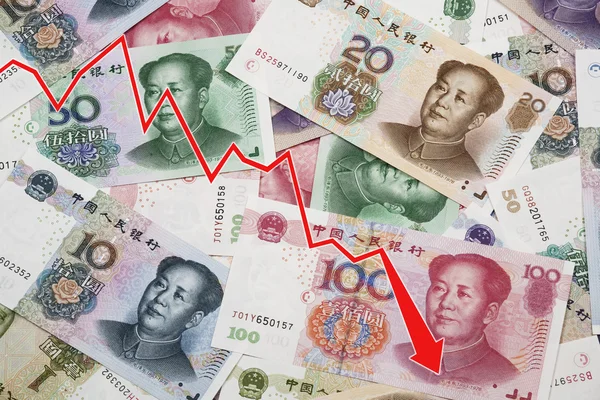
Economic performance remains under pressure despite signs of temporary recovery in manufacturing activity. Analysts emphasize that weak domestic consumption and declining export demand continue to weigh heavily on growth prospects. This imbalance suggests that China’s recovery may be uneven and vulnerable to both internal inefficiencies and external disruptions in global trade.
The real estate sector continues to represent a major source of instability, with developers struggling under significant debt burdens and uncertain market conditions. Although some data points indicate minor improvements in housing prices, experts caution that these gains are fragile and could reverse without sustained policy intervention and stronger consumer confidence.
External geopolitical developments are also contributing to China’s challenges, particularly the ripple effects of ongoing global conflicts. Rising energy prices and potential disruptions to supply chains have increased operational costs for Chinese industries, complicating efforts to maintain steady production and export levels in an already competitive environment.
Trade relations have come under renewed scrutiny, especially following criticism from European officials regarding product safety and market access. These concerns reflect broader tensions between China and its trading partners, potentially affecting future agreements and limiting opportunities for deeper economic cooperation with Western economies.
Domestically, the government has taken proactive steps to stabilize key sectors, including urging independent refiners to sustain fuel production levels amid fluctuating demand. Such measures indicate concern over energy security and highlight the delicate balance authorities must maintain between supply stability and economic efficiency.
Environmental risks are becoming increasingly prominent, with forecasts pointing to severe flooding in some regions and drought in others during the coming year. These climate-related threats could disrupt agricultural output, strain infrastructure, and place additional pressure on already stretched public resources across various provinces.
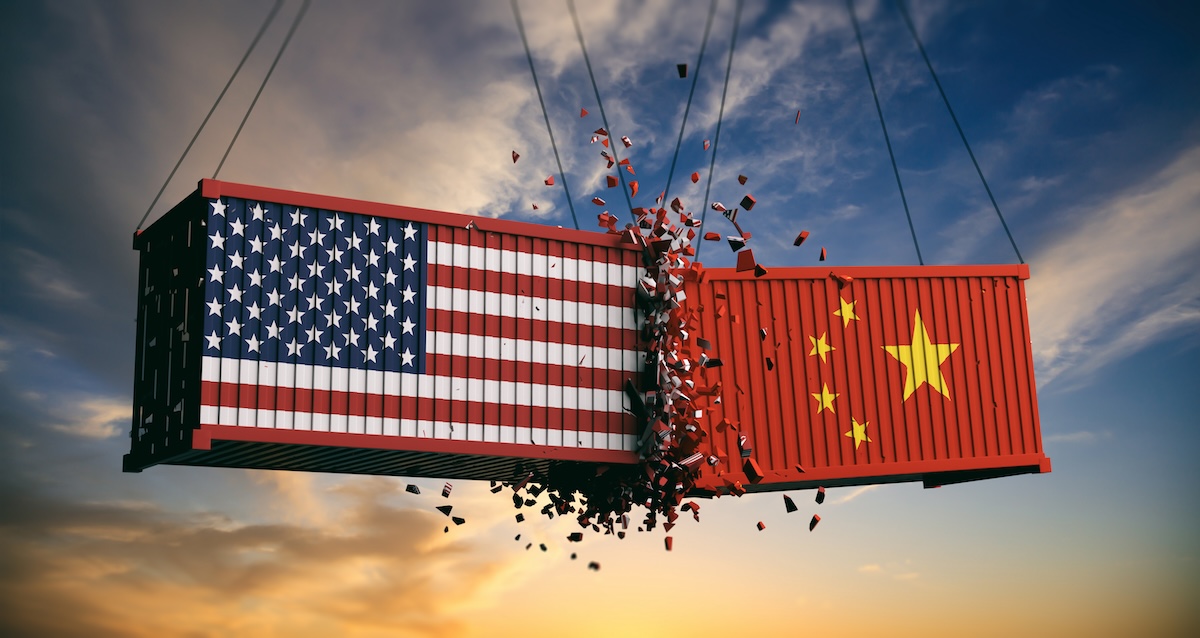
Geopolitical tensions between China and the United States continue to shape the broader strategic environment, influencing trade, technology exchange, and security dynamics. Ongoing disputes and competitive policies have contributed to uncertainty, affecting global markets and complicating long-term planning for multinational corporations.
As these interconnected challenges continue to evolve, the outlook for China remains uncertain and closely watched by the international community. The government’s ability to address economic weaknesses, manage environmental risks, and navigate complex geopolitical relationships will play a crucial role in determining the country’s trajectory in the months ahead.
What's Your Reaction?