Elon Musk Steps Down from Trump’s Government Efficiency Role After Budget Clash
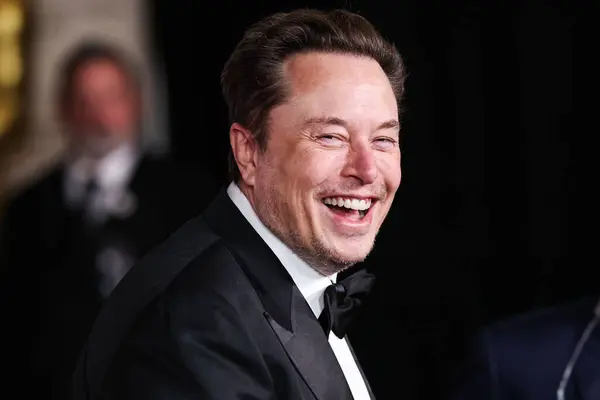
Elon Musk has officially exited his role within the Trump administration, where he was tasked with leading the Department of Government Efficiency (DOGE). In a post on his social media platform X, Musk thanked President Trump for the opportunity to help reduce government waste, signaling the end of his temporary government service. His departure closely followed his public criticism of Trump’s recent budget proposal.
Musk was appointed as a “special government employee,” a status that allowed him to serve in a federal role for up to 130 days per year. Counting from Trump’s inauguration in January, Musk was approaching this limit by late May. While his departure was anticipated, it became more noteworthy after Musk expressed disappointment with the multi-trillion-dollar budget plan pushed by the White House.
In interviews, Musk voiced concerns that the budget, which includes massive tax cuts alongside increased defense spending, would worsen the federal deficit. He described Trump’s “big, beautiful bill” as problematic, stating, “A bill can be big or beautiful, but I don’t know if it can be both.” This criticism highlighted a growing divide between Musk’s fiscal goals and the administration’s spending priorities.
During his tenure, Musk aimed to drastically cut government expenses. Initially setting a target to slash $2 trillion, he later lowered that goal to $150 billion. As part of these efforts, roughly 260,000 federal jobs were cut or offered buyout deals. This sweeping downsizing affected a significant portion of the 2.3 million civilian federal workforce.
However, the aggressive approach faced challenges. Some terminated employees won court rulings requiring their reinstatement, citing procedural errors. Mistakes were made, including accidentally letting go key staff in sensitive areas like the U.S. nuclear program. These issues cast doubt on the effectiveness and care taken in implementing DOGE’s cuts.
Musk’s time in government was also marked by friction behind the scenes. He reportedly clashed with some cabinet officials, and publicly lamented how DOGE became a “whipping boy” for broader frustrations. Speaking to the Washington Post, Musk said that any negative incident was blamed on his team, even if unrelated, which increased his frustration with the role.
Meanwhile, Musk’s private companies experienced some setbacks. Tesla sales declined during his government tenure, and some industry watchers suggested that his political involvement might have distracted from business priorities. These pressures contributed to Musk’s decision to return full-time to his ventures, including SpaceX and Tesla.
In late April, Musk confirmed his intention to step back from government service to focus on his companies. Despite his exit, he reaffirmed his commitment to the mission of reducing government waste, hoping DOGE would continue growing as a core government function. His departure marks the end of a turbulent chapter in both his public and professional life.
Musk’s brief but intense role in the Trump administration involved ambitious reforms, significant controversy, and legal challenges. While his time in office ended amid budget conflicts and internal struggles, the impact of his efforts to reform government spending remains a subject of national debate.
What's Your Reaction?











:max_bytes(150000):strip_icc():focal(791x399:793x401)/elon-musk-interns-020325-c5d3c8c890cd472fb043c95552257117.jpg)