Intensifying Conflict Between Iran, Israel, and the United States Raises Global Alarm
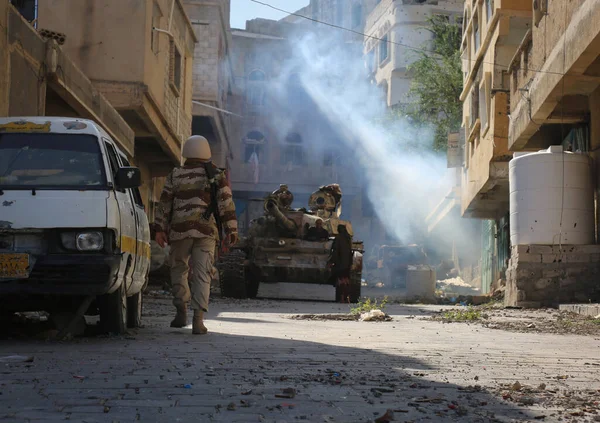
The ongoing conflict involving Iran, Israel, and the United States has escalated into one of the most serious military confrontations in the Middle East in recent years. The war has drawn worldwide attention as airstrikes, missile launches, and political tensions continue to rise across the region.
The conflict intensified after coordinated military operations by Israel and the United States targeted several strategic locations across Iran. Reports indicate that the strikes focused on military bases, missile facilities, and nuclear-related infrastructure believed to be linked to Iran’s weapons development program.
One of the most heavily targeted areas during the early stages of the conflict was the Iranian capital, Tehran. Multiple explosions were reported across the city as air defense systems attempted to intercept incoming strikes, while emergency services responded to damaged buildings and infrastructure.
In response to the attacks, Iran launched retaliatory strikes using ballistic missiles and drones directed toward Israeli territory and U.S. military installations in the Middle East. Several bases and strategic facilities across the region were placed on high alert as defense systems attempted to intercept the incoming threats.
Military analysts say the conflict has quickly evolved beyond a limited strike operation and now carries the risk of a broader regional war. Neighboring countries are closely monitoring the situation, fearing that escalating violence could spread beyond the main combatants.
The fighting has also raised concerns about global energy markets because the Middle East remains a crucial supplier of oil and natural gas. Experts warn that instability around the strategic Strait of Hormuz could disrupt international shipping and significantly affect global fuel prices.
International diplomatic efforts have intensified as world leaders call for restraint and negotiations. Organizations such as the United Nations have urged all parties involved to avoid further escalation and return to diplomatic discussions aimed at reducing tensions.
Meanwhile, civilians in several affected areas have been forced to seek shelter as air raid sirens and emergency alerts become increasingly common. Humanitarian organizations are monitoring the situation closely and preparing aid in case the conflict leads to a larger humanitarian crisis.
Political leaders in Washington and Tel Aviv have stated that their objective is to limit Iran’s military capabilities and prevent further escalation of its missile and nuclear programs. Iranian officials, however, insist that the country will defend its sovereignty and continue responding to any attacks.
As the war continues, global observers warn that the conflict could reshape political alliances and security strategies across the Middle East. The coming weeks are expected to be critical in determining whether the crisis moves toward wider war or diplomatic resolution.
Support Humanitarian Aid
We are raising donations to help families affected by crisis. Your support will provide food, medical supplies, and emergency relief.
Donate via PayPal: paypal.me
Thank you for your support.
What's Your Reaction?