Iran at the Center of Escalating Middle East War
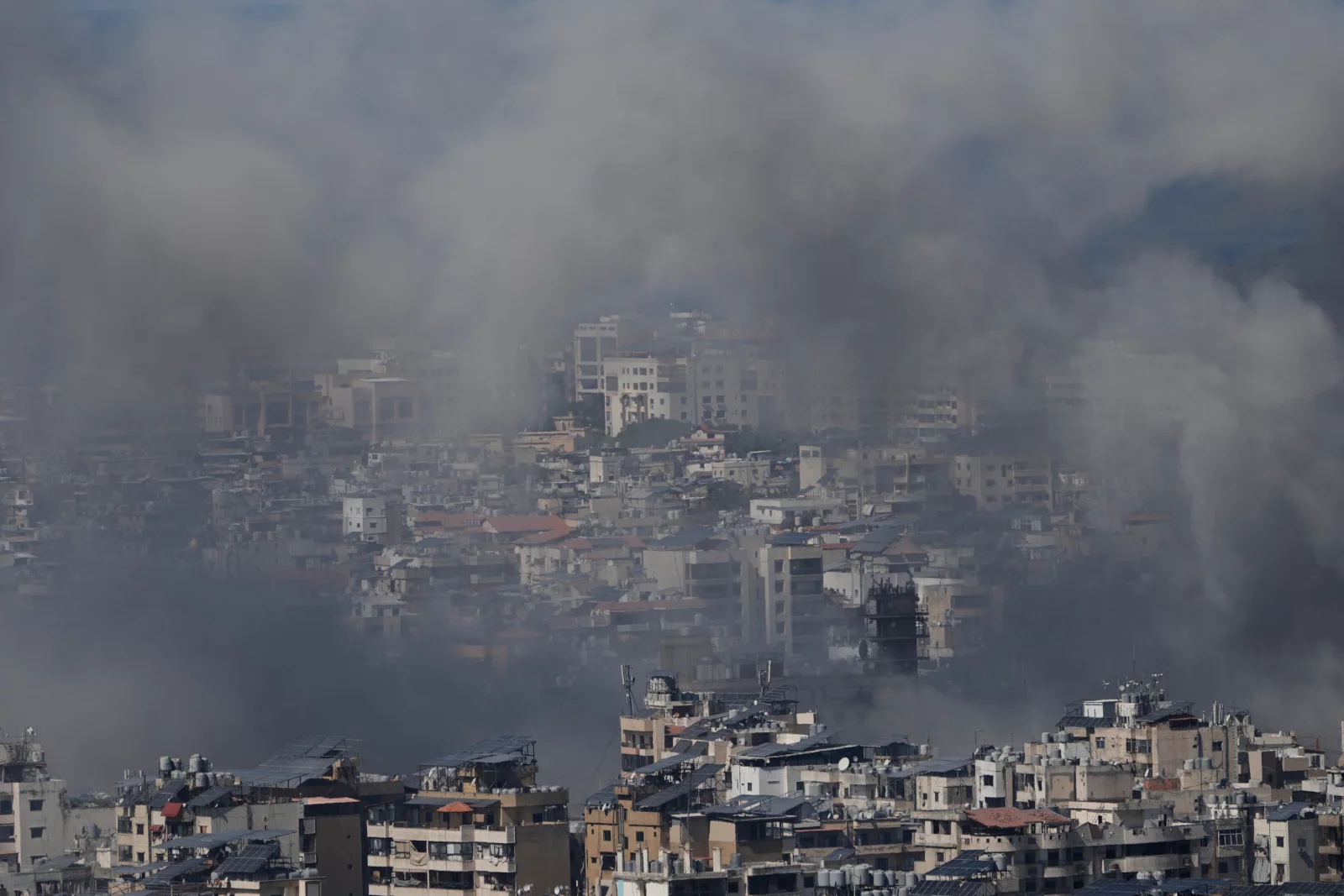
Iran has become a focal point of international attention as a major conflict involving the United States and Israel continues to intensify across the Middle East. The war began after coordinated strikes targeted Iranian military and government facilities, triggering a dramatic escalation of tensions across the region.
The first wave of attacks focused on strategic sites in major Iranian cities including Tehran and Isfahan. These strikes were part of a joint military operation intended to weaken Iran’s military infrastructure and limit its ability to carry out further regional operations.
Following the initial strikes, Iran launched a series of retaliatory missile and drone attacks targeting Israeli positions and military facilities associated with the United States. These responses quickly expanded the confrontation beyond Iran’s borders and increased fears of a wider regional war.
The conflict has already caused significant casualties and destruction in multiple areas. Reports indicate that more than a thousand people have been killed during the first days of intense airstrikes and missile exchanges across several Iranian cities.
In addition to direct fighting inside Iran, the war has spread to neighboring countries. Iranian missiles and drones have struck targets in several Gulf states and military bases linked to Western allies, highlighting the expanding geographic scope of the conflict.
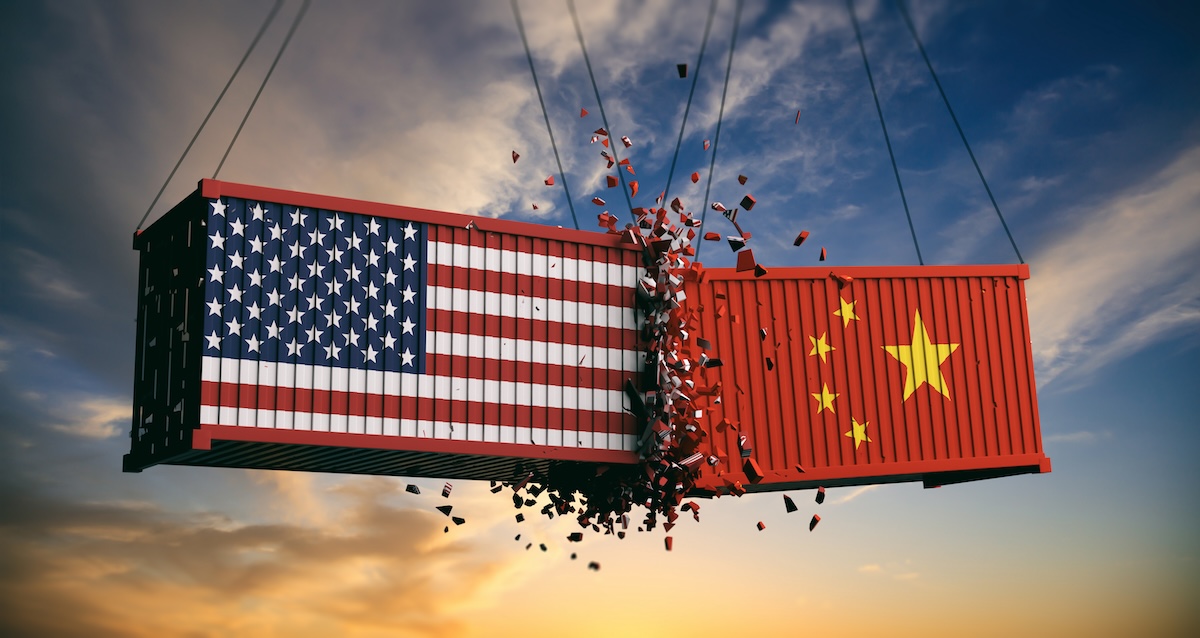
The crisis has also had a major impact on the global economy. Businesses around the world have been affected by rising energy prices and disruptions to supply chains as the conflict threatens key shipping routes and energy infrastructure.
Financial markets have reacted strongly to the instability in the Middle East. Analysts warn that prolonged fighting could lead to higher inflation worldwide as energy prices increase and governments respond with new economic policies.
Diplomatic efforts are now underway as several international leaders call for restraint and negotiations. Countries in the Gulf region and beyond have urged all sides to reduce tensions and avoid further attacks that could destabilize the entire region.
Meanwhile, analysts continue to debate the long-term consequences of the war. Many experts believe the conflict could reshape alliances and security strategies throughout the Middle East, particularly if additional countries become directly involved.
As the fighting continues, Iran remains at the center of one of the most serious geopolitical crises of the decade. The outcome of this conflict may influence global security, economic stability, and international relations for years to come.
What's Your Reaction?









:max_bytes(150000):strip_icc():focal(791x399:793x401)/elon-musk-interns-020325-c5d3c8c890cd472fb043c95552257117.jpg)