Apple Considers Stealth Price Increases for iPhones as Tariffs Impact Costs
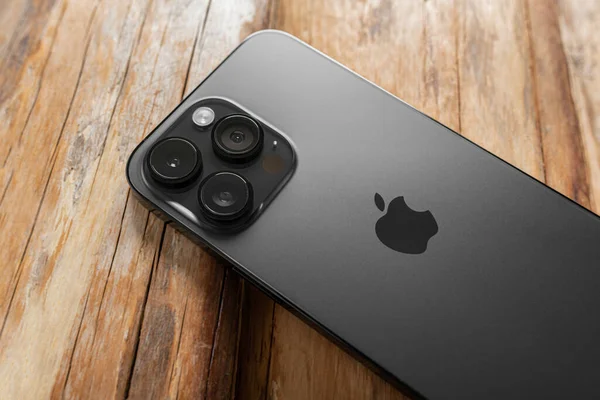
Apple is reportedly considering ways to quietly increase the price of its upcoming iPhones, even if the official price tags remain unchanged. Analysts suggest that the company could adjust how it prices its devices by adding new features, tweaking specs, or offering premium versions, all in response to rising costs caused by tariffs.
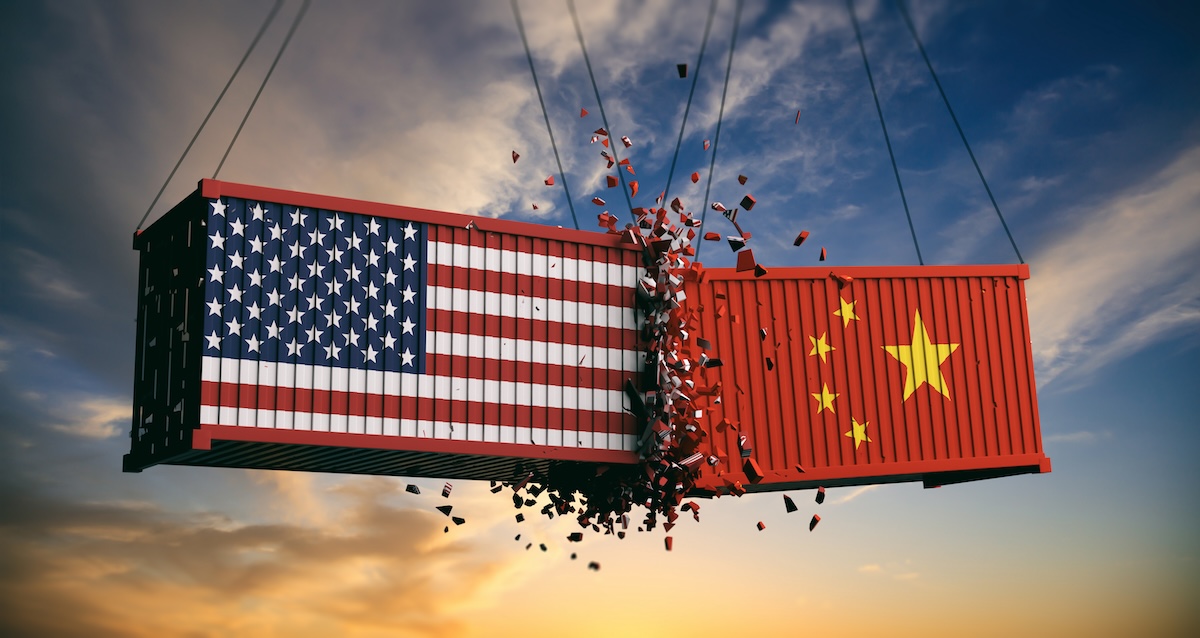
Although Apple has been working to diversify its supply chain—shifting some manufacturing to India and Vietnam—the company still produces most of its iPhones in China, where steep tariffs are taking a toll. Apple CEO Tim Cook has indicated that the company faces significant financial pressure, estimating that tariffs could cost the company around $900 million in the second quarter of 2025.
In response to these challenges, Apple could leverage design improvements or new AI features to justify any price increases. For example, the iPhone 17 may be offered in a thinner, more advanced version, such as the rumored iPhone 17 Air, allowing Apple to position higher-end models as premium devices while raising prices without directly changing base model prices.
Gil Luria, head of technology research at D.A. Davidson, noted that Apple has other ways to raise prices without consumers noticing, such as reducing storage in the base models and charging more for upgrades. This indirect method would allow Apple to maintain the perception of reasonable pricing while still increasing revenue.
Despite the possible price hikes, Apple may be cautious about the political backlash. A price increase directly tied to tariffs could be seen as passing the cost onto consumers, which could trigger a negative reaction, particularly from former President Trump, who has criticized tech companies for their reliance on Chinese manufacturing.
Some experts, including Daniel Morgan of Synovus, predict that Apple may need to raise prices by as much as 30% to fully offset the tariff costs. This would push the base iPhone 17 model to over $1,000, up from the $799 starting price of the iPhone 16. This significant price jump could test consumers’ willingness to pay more for an iPhone.
Apple may also justify higher prices by focusing on new AI features. Though the company introduced AI-driven functionalities such as “Apple Intelligence” after the iPhone 16’s launch, some promised updates, like an improved Siri, have been delayed. The iPhone 17 could be the launchpad for these upgrades, making the higher price more palatable.
To avoid damaging sales, Apple must ensure that any price increases are coupled with meaningful upgrades that appeal to consumers. If customers feel that the higher price is simply a result of trade wars, they may hold off on upgrading their phones, impacting overall sales.
As Apple navigates these challenges, its ability to manage pricing adjustments while maintaining customer satisfaction and loyalty will be critical. How the company balances innovation with the financial realities of tariffs and trade tensions will determine the success of its upcoming iPhone lineup.
What's Your Reaction?