Lebanon in Turmoil: Escalating Conflict and Deepening Humanitarian Emergency

Lebanon is enduring an increasingly severe national crisis in 2026, as armed conflict, economic instability, and political tensions converge simultaneously. The country’s fragile systems are struggling to cope with the pressure, leaving millions of civilians facing uncertainty and hardship across multiple regions and communities.
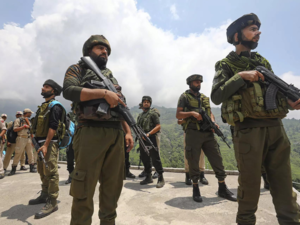
The intensifying clashes between Israeli forces and Hezbollah have significantly worsened security conditions, particularly in southern Lebanon and areas near the border. Continuous airstrikes and retaliatory rocket fire have caused widespread destruction, damaging homes, infrastructure, and critical public facilities used by civilians daily.
As violence escalates, displacement has surged dramatically, with hundreds of thousands of Lebanese families forced to flee their homes in search of safety. Many are now living in overcrowded shelters, schools, or temporary camps, where access to clean water, sanitation, and essential services remains extremely limited.
Lebanon’s healthcare system is approaching a breaking point as hospitals struggle to handle the growing number of casualties from ongoing attacks. Medical professionals have warned that shortages of essential supplies, including medicines, fuel, and equipment, could soon disrupt life-saving treatments for injured patients.
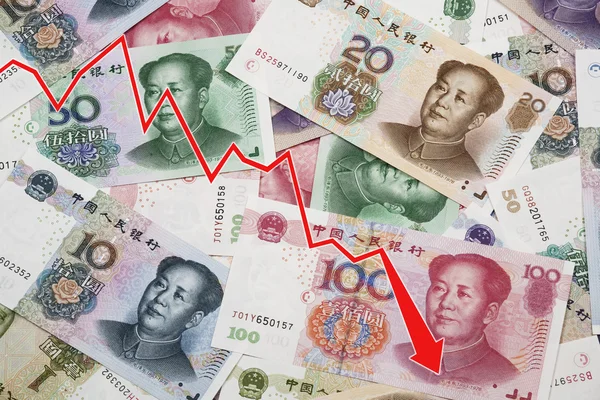
The economic situation in Lebanon continues to deteriorate rapidly, further compounding the humanitarian crisis affecting the population. Inflation remains extremely high, the national currency has weakened significantly, and unemployment levels are rising, pushing more citizens below the poverty line each passing month.
Food insecurity has become a critical concern, especially in conflict-affected areas where supply chains have been severely disrupted. Many families are unable to afford basic necessities, and humanitarian organizations are reporting increased demand for food assistance and emergency aid throughout the country.
Political divisions within Lebanon have intensified as leaders struggle to respond effectively to the crisis and maintain national stability. Debates over the role of Hezbollah and its involvement in the conflict have created tensions within the government, complicating efforts to form a unified national strategy.
International actors continue to monitor the situation closely, with diplomatic initiatives aimed at reducing tensions and preventing further escalation. However, disagreements among regional and global powers have slowed progress, making it difficult to achieve a lasting ceasefire or political resolution.
In conclusion, Lebanon is facing one of the most challenging periods in its modern history, with overlapping crises threatening its future stability. Without immediate humanitarian support and meaningful diplomatic breakthroughs, the situation is likely to worsen, placing even greater strain on the country and its people.
What's Your Reaction?