The Battle for Perception: India and Pakistan's Nuclear Clash and Kashmir's Unresolved Future
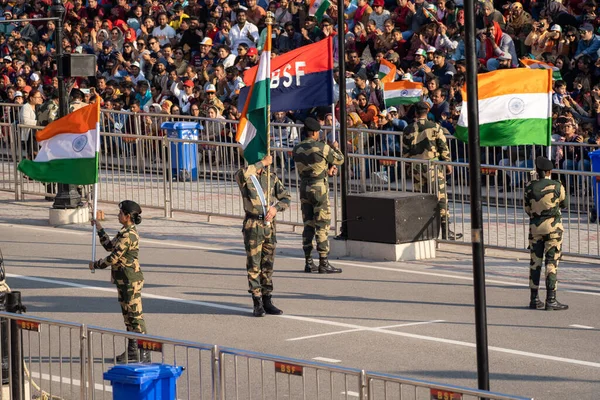
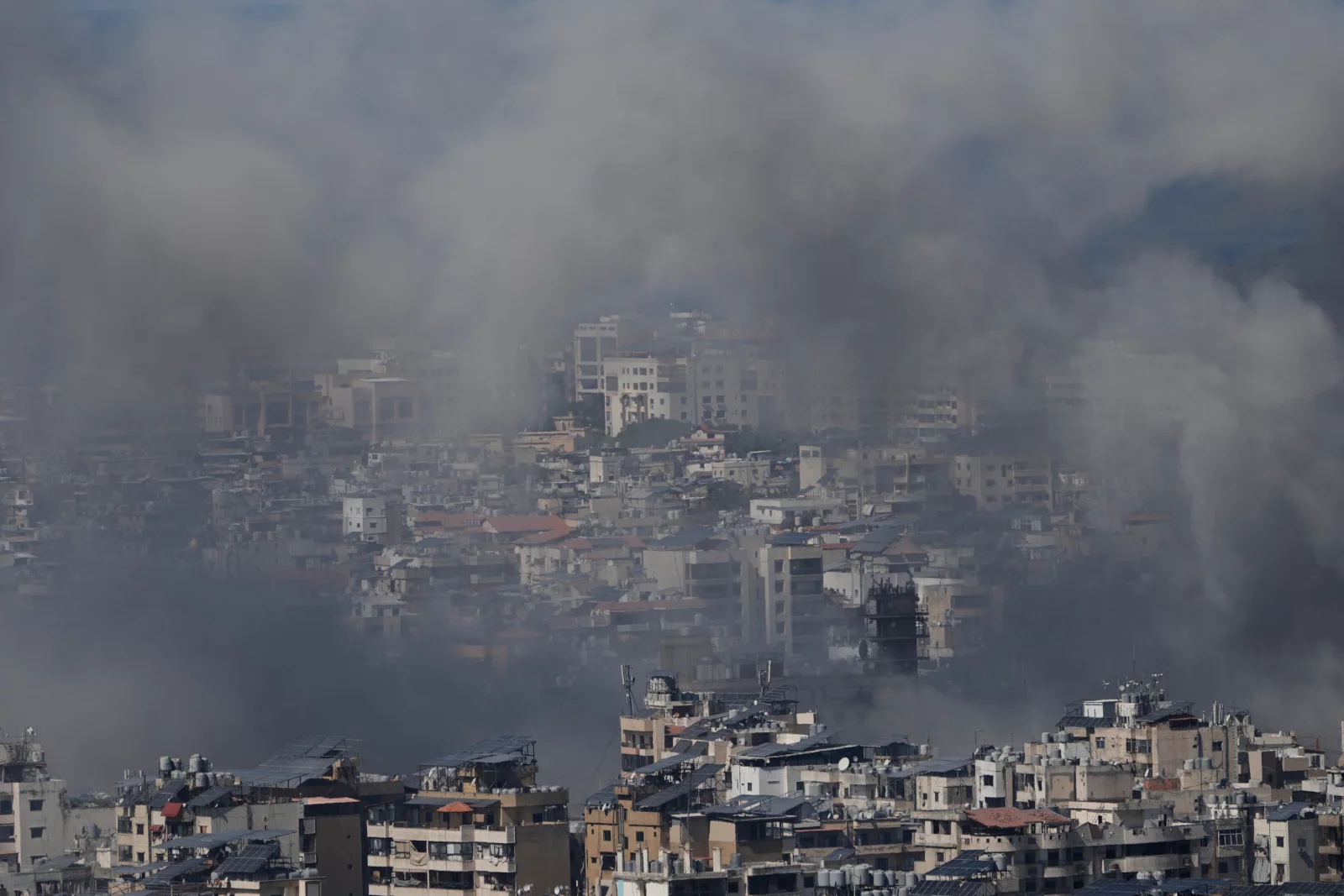
The recent military clash between India and Pakistan has left both nations locked in a contest of narratives, each side claiming victory while carefully downplaying their losses. Although the ceasefire, brokered by the United States, has temporarily halted the fighting, both countries are presenting conflicting versions of events, adding fuel to the ongoing rivalry between them.
In India, media outlets were quick to declare a victory, with headlines like “Pakistan Surrenders” splashed across TV screens. Indian Defense Minister Rajnath Singh emphasized that the strikes were a direct response to terrorist actions, particularly the attack on tourists in Kashmir. The Indian government framed the military action as a show of strength, sending a clear message to terror groups operating in the region.
Meanwhile, across the border in Pakistan, the narrative was very different. Prime Minister Shehbaz Sharif celebrated what he called a historic military achievement, praising Pakistan’s air force for its swift and effective response. Pakistan's leaders highlighted that their jets had neutralized Indian artillery within hours, and public celebrations included the burning of effigies of Indian leadership, a powerful visual symbol of Pakistan’s triumph.
The most contentious point in the conflict revolved around aerial combat. Pakistan claimed to have downed five Indian jets, including three Rafales, which would be a significant blow to India’s air force. However, India has yet to officially acknowledge any losses, despite reports of crashed jets near the border and intelligence suggesting that at least one Rafale may have been downed.
In retaliation, India released satellite images showing considerable damage to Pakistani military infrastructure, particularly airbases and radar stations, which Indian officials argued had been severely crippled by their airstrikes. Pakistani authorities rejected these claims, dismissing them as politically motivated and aimed at portraying Pakistan in a negative light.
The ceasefire announcement came as a surprise, with U.S. President Donald Trump revealing the news via Truth Social. Behind the scenes, U.S. officials, including Secretary of State Marco Rubio and Vice President JD Vance, were reportedly in contact with political and military leaders from both sides, urging them to de-escalate. While Pakistan expressed gratitude, India chose to downplay the role of the United States in bringing about peace.
India’s resistance to recognizing any foreign mediation is rooted in its long-standing position on Kashmir, the disputed region at the heart of the conflict. India views Kashmir as an internal matter, rejecting international involvement. President Trump’s offer to mediate a lasting solution to the Kashmir issue was welcomed by Pakistan but swiftly ignored by India, which further highlights the deep divide between the two countries.
While the ceasefire has temporarily eased the situation, it has done little to resolve the long-standing issues between India and Pakistan, particularly the Kashmir dispute. Until this core issue is addressed, the likelihood of future flare-ups remains high. The ceasefire may have brought an end to the immediate violence, but the rivalry between the two nuclear-armed neighbors continues.
support us via https://sociabuzz.com/infohit/tribe
What's Your Reaction?