Tripoli on the Brink: UN Demands Immediate Ceasefire Amid Escalating Conflict
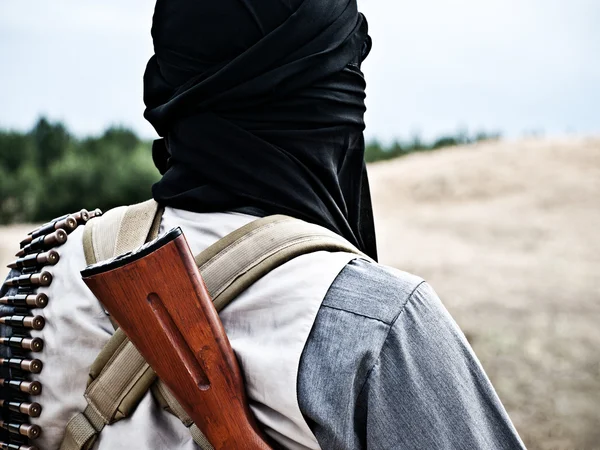
The United Nations mission in Libya (UNSMIL) called for an immediate ceasefire on Monday after intense fighting broke out in Tripoli, the capital city. The violence, which has involved the use of heavy weaponry in densely populated civilian areas, has triggered widespread alarm about the safety of the city’s residents.
UNSMIL expressed its deep concern in a post on X, warning of the grave security situation unfolding in Tripoli. The mission called on all parties to immediately halt the fighting and restore peace to the capital, emphasizing the urgent need to protect civilian lives from the escalating violence.
The UN mission reminded all involved in the conflict of their obligations under international law to protect civilians at all times. UNSMIL stressed that the protection of non-combatants should be a priority for all sides as the fighting continues in the capital.
UNSMIL also issued a warning that attacks on civilians or civilian infrastructure could be classified as war crimes. This serves as a reminder to all factions that the international community will hold those responsible for harming civilians accountable for their actions.
As the violence escalated, gunfire could be heard throughout Tripoli, and reports indicated that Abdulghani Kikli, a key commander of the SSA, had been killed. The SSA is a powerful armed group based in Tripoli and is considered a key player in the city’s security environment.
Kikli’s death has raised concerns about the impact it will have on the conflict in Tripoli. As a leader within the SSA, Kikli played a significant role in shaping the security landscape, and his loss is expected to lead to further power struggles in the capital.
Libya has been politically divided since the overthrow of Moammar Gaddafi in 2011. Rival factions have been fighting for control of key regions, including Tripoli and Benghazi, resulting in ongoing instability and armed conflict across the country.
Despite the 2020 ceasefire, Libya remains politically fractured. The Government of National Unity (GNU) governs the west, including Tripoli, while the east is controlled by the Government of National Stability, leaving the country divided along political lines.
The competition for Libya’s oil and gas reserves has been a major driving force behind the ongoing conflict. Armed groups and factions continue to vie for control over these valuable resources, further fueling the violence and preventing the country from achieving lasting peace.
In response to the growing instability, the GNU’s health ministry has instructed medical centers in Tripoli to prepare for an influx of casualties. Hospitals in the capital are on high alert, as the number of injured individuals is expected to rise with the intensification of the conflict.
The interior ministry of the GNU has also urged citizens to stay at home for their safety. The ongoing violence in Tripoli has made it increasingly dangerous for residents to venture outside, and the government has called for caution as the conflict continues to escalate.
Amid the ongoing violence, the Trump administration’s plan to deport migrants to Libya has raised significant concerns. Given the current security situation, many fear that such deportations could endanger the lives of migrants who would be sent to a country in the midst of such turmoil.
What's Your Reaction?